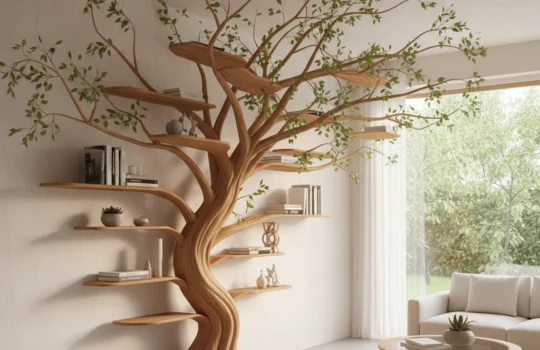
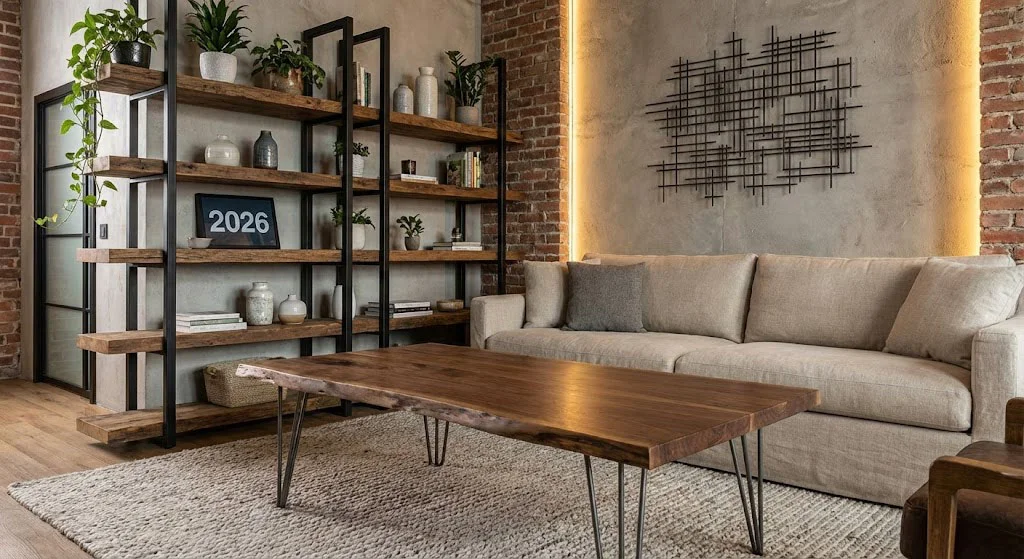
As we move further into 2026, the world of interior design is witnessing a fascinating evolution. The cold, sterile “Hard Industrial” look—defined by endless concrete and exposed pipes—is being replaced by a more soulful, balanced aesthetic: Organic Industrial. This new movement is about the marriage of opposites. It pairs the raw, uncompromising strength of metal with the living, breathing warmth of solid wood. When done correctly, this combination creates a home that feels both grounded and sophisticated. Here is how you can master the blend of industrial hardware and organic timber to create a timeless 2026 sanctuary.
The Philosophy of Balance: Strength Meets Soul
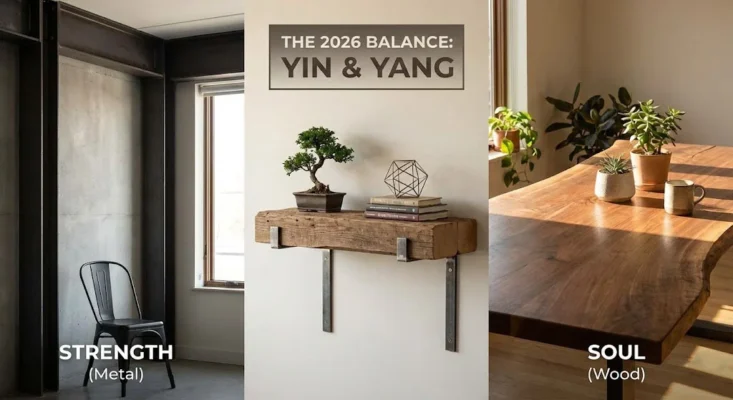
The reason the wood-and-metal duo is dominating 2026 trends is rooted in environmental psychology. Metal provides a sense of structural integrity and permanence; it represents the “spine” of the home. However, too much metal can feel unwelcoming.
Solid wood acts as the “soul.” With its unique grain patterns, knots, and natural scent, wood introduces Biophilic elements that are proven to lower stress. By blending the two, you aren’t just decorating; you are balancing the “yin and yang” of materials. The metal keeps the space modern and sharp, while the wood keeps it human and soft.
The 70/30 Rule of Proportion
The secret to a professional-looking space is avoiding a 50/50 split, which can feel competitive and disjointed. Instead, designers recommend the 70/30 Rule.
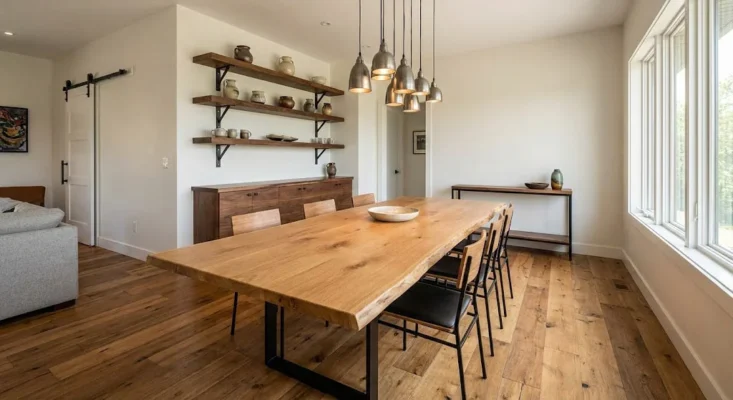
70% Organic (The Foundation): Use wood for your largest surfaces. Think solid Oak dining tables, thick Walnut floating shelves, or reclaimed timber flooring. This ensures the room feels warm and inviting.
30% Industrial (The Accent): Use metal for the architectural details. This includes industrial metal brackets, slim chair legs, pendant light fixtures, or door hardware.
By keeping the metal as a minority element, it acts as an “outline” for the wood, making the natural materials pop without overwhelming the senses.
Hardware as “Jewelry”: Choosing the Right Metal Finish
In 2026, hardware is no longer just functional; it is considered “jewelry” for your furniture. The finish of your metal brackets and frames will dictate the mood of the room:
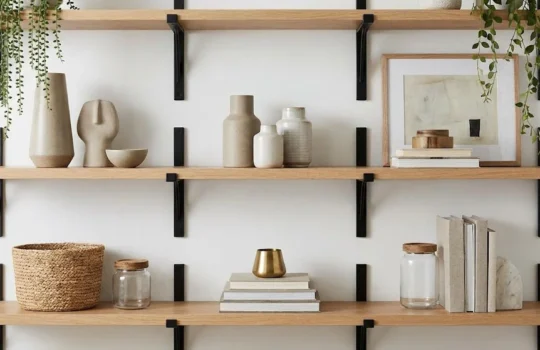
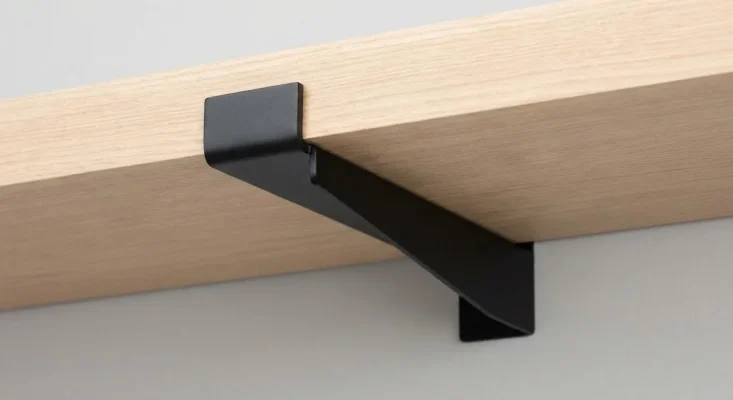
Matte Black: The modern classic. It provides a high-contrast, “graphic” look that pairs beautifully with lighter woods like White Oak or Ash. It’s perfect for a minimalist or Scandinavian-inspired home.
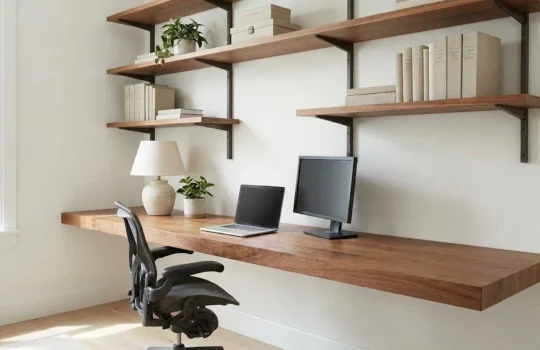
Brushed Brass and Gold: These warmer metals are the hallmark of “Quiet Luxury.” When paired with dark woods like Walnut, they create a rich, mid-century modern vibe that feels expensive and curated.
Raw or Gunmetal Steel: For those who love the authentic industrial roots, raw steel shows off weld marks and imperfections. This looks best with “Live Edge” wood—timber that retains the natural curve of the tree.
Texture Play: Rough vs. Refined
To prevent a room from feeling “flat,” you must play with contrasting textures. 2026 decor is all about the tactile experience.
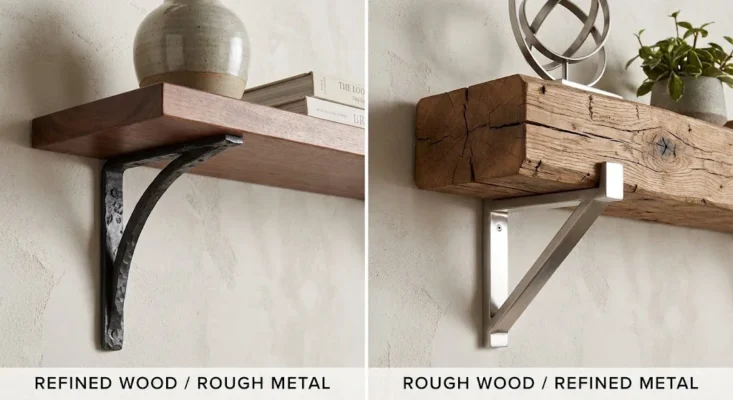
If you have a very smooth, polished wood shelf, pair it with a rough-textured, hand-forged iron bracket. Conversely, if you have a rugged, reclaimed wood beam with plenty of cracks and character, use a sleek, precision-engineered steel support. This “Rough vs. Refined” approach creates a sophisticated tension that draws the eye and makes people want to reach out and touch the surfaces.
Practical Application: The Living Wall
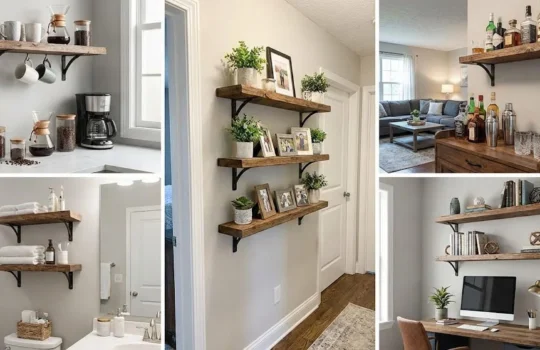
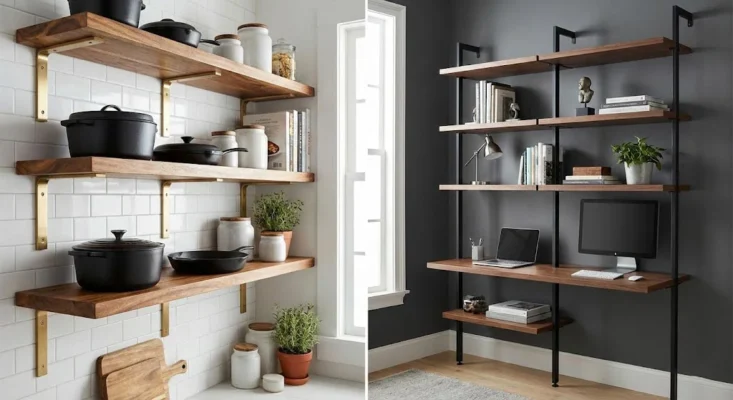
One of the most popular ways to implement this blend is through vertical shelving. A series of solid wood planks supported by heavy-duty metal brackets can transform an empty wall into a functional art piece.
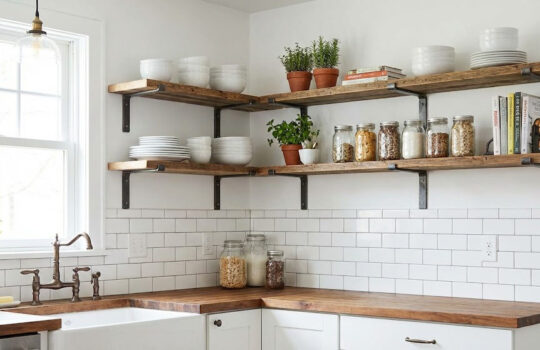
In the Kitchen: Use thick Acacia wood shelves with brass brackets to display cast iron cookware and ceramic jars. The metal can easily support the weight, while the wood softens the look of the appliances.
In the Home Office: Use a Walnut desk with black steel legs. The dark wood provides a focused, serious environment for work, while the metal legs keep the room feeling airy and spacious.
Softening the Edge with Biophilia
The final step in blending industrial and organic elements is the addition of greenery. Plants are the “connective tissue” between metal and wood.
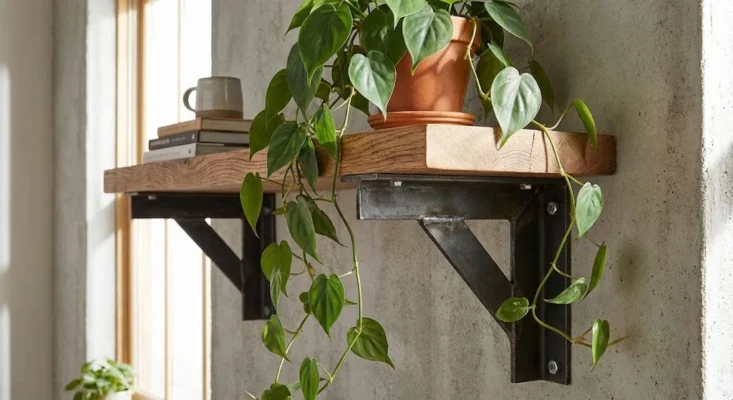
A trailing vine, like a Heartleaf Philodendron, draped over a metal bracket against a wood grain background, creates a stunning visual. The green leaves soften the hard angle of the metal and highlight the natural origin of the wood. In 2026, the most successful interiors are those that look like nature is slowly reclaiming a modern structure.
A Design That Lasts
The “Industrial Meets Organic” trend is not a fleeting fad. It is a return to honest materials. By investing in solid wood and high-quality metal hardware, you are choosing materials that age gracefully. Unlike plastic or particle board, wood develops a patina and metal gains character over time. When you step into a room that perfectly balances these two elements, you feel a sense of “grounding.” You have the strength of the modern world and the peace of the natural world, all in one space.